
Gachagua Reveals Secret Details of Ruto’s Power-Sharing Deals
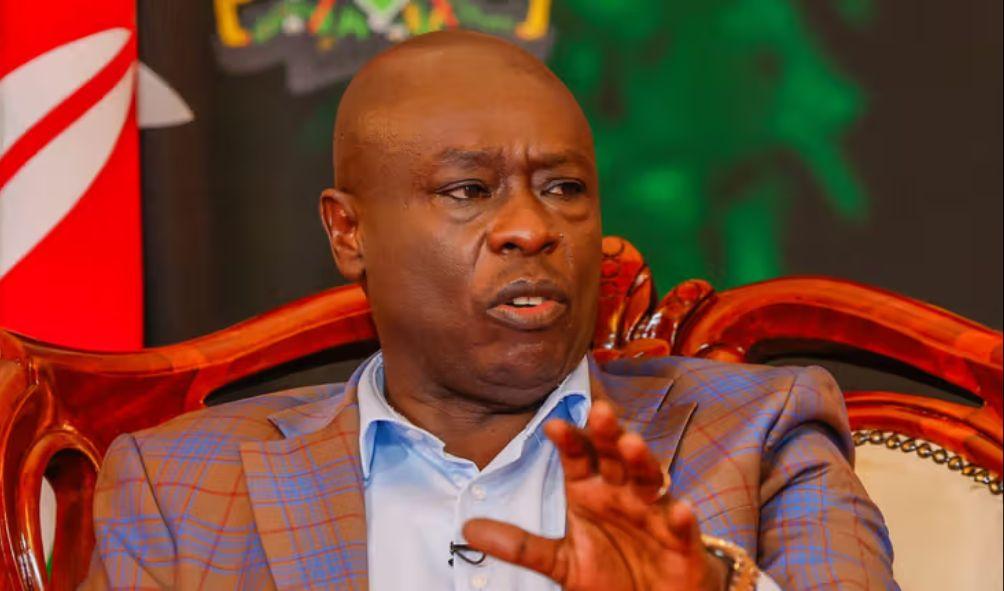
Deputy President Rigathi Gachagua has unveiled a power-sharing deal, spotlighting National Assembly Speaker Moses Wetangula and Prime Cabinet Secretary Musalia Mudavadi.
The disclosure, part of Gachagua’s defense against claims of fueling ethnic divisions through a “shareholder concept,” coincides with an impeachment motion accusing him of dividing the nation via power-sharing arrangements.
The power-sharing pact, signed by the Kenya Kwanza coalition parties like UDA, ANC, and Ford Kenya, outlined plans to distribute government positions and development projects among key regions.
Gachagua, in his defense document, explained that the shares each party would receive for appointive positions were tied to the number of MPs, Senators, and MCAs elected under each party’s ticket, as a percentage of total Kenya Kwanza candidates and votes garnered in the August 2022 Presidential elections.
According to Gachagua, the deal guaranteed Wetangula’s Ford Kenya and Mudavadi’s ANC 30% of government appointments, equally divided between the two parties.
These positions encompassed Cabinet secretaries, principal secretaries, ambassadors, high commissioners, consular representatives, state corporation chairs and directors, and heads of constitutional commissions.
In return, Ford Kenya and ANC were expected to secure 70% of votes from regions under their influence, a goal the DP noted they did not achieve.
This development places Speaker Wetangula in a precarious position as he oversees the impeachment proceedings against Gachagua, as he directly benefited from the very agreement now under scrutiny.
Critics argue this presents a conflict of interest for Wetangula, given his involvement in the deal at the heart of Gachagua’s impeachment.
The agreement also promised priority development projects in ANC and Ford Kenya strongholds, notably Western Kenya, between 2022 and 2027.
ALSO READ:
- Inside Job Exposed: Kenyan Prison Wardens Convicted for Orchestrating Daring Terrorist Escape
- Uganda Pulls the Plug: Nationwide Internet Blackout Ordered Days Before Crucial General Election
- African Elections Under the Spotlight as Zambia Turns to Kenya Ahead of 2026 Vote
- “Two Drug Barons in Cabinet?” Kenya Government Fires Back as Ex-Deputy President Sparks Explosive Drug Claims
- Kenyan Court Freezes Use of Private Lawyers by Government, Sparks Nationwide Legal Storm
These projects included constructing 1,000 kilometers of new roads and reviving stalled sugar factories in the region.
Defending the arrangements, Gachagua stated they were part of lawful coalition-building efforts designed to promote national unity, not division, as alleged.
Gachagua emphasized that the agreements ensured fair power distribution, based on the number of elected representatives under the Kenya Kwanza platform.
He cited historical examples, such as the NARC coalition in 2002 and the Jubilee-URP pact, highlighting that power-sharing has long been part of Kenyan politics.
Despite the impeachment motion accusing Gachagua of using “shareholding” to sow ethnic division, he has denied these claims, arguing that his actions aligned with coalition-building and constitutional mandates.
The impeachment motion, supported by 291 MPs, has intensified tensions within the Kenya Kwanza government. Some believe President William Ruto’s silence could imply support for Gachagua’s removal.
As impeachment proceedings continue, Wetangula’s role is under the spotlight as he balances presiding over a motion that implicates him in the controversial power-sharing deal.
This case is expected to have lasting effects on Kenya’s political landscape, with its outcome potentially altering the future of coalition politics in the country.
Gachagua Reveals Secret Details of Ruto’s Power-Sharing Deals
