
Deciphering Everest’s Silent Sentinels: The Mystery of Abandoned Mountaineers
Kenyans are grappling with the loss of mountaineer Cheruiyot Kirui, who tragically passed away while attempting to summit Mt Everest without supplemental oxygen.
Cheruiyot’s body was discovered just a few meters shy of Mt Everest’s summit earlier this week, prompting Everest Today to express deep sorrow and condolences in a statement, emphasizing Cheruiyot’s unwavering determination and love for mountaineering as a lasting source of inspiration.
Originally a banker, Cheruiyot had achieved the remarkable feat of summiting Mt Kenya a total of 15 times before embarking on his ill-fated Everest expedition.
The reality of losing a loved one to the unforgiving terrain of Mount Everest is particularly poignant, with the harsh conditions often preventing the retrieval of their remains.
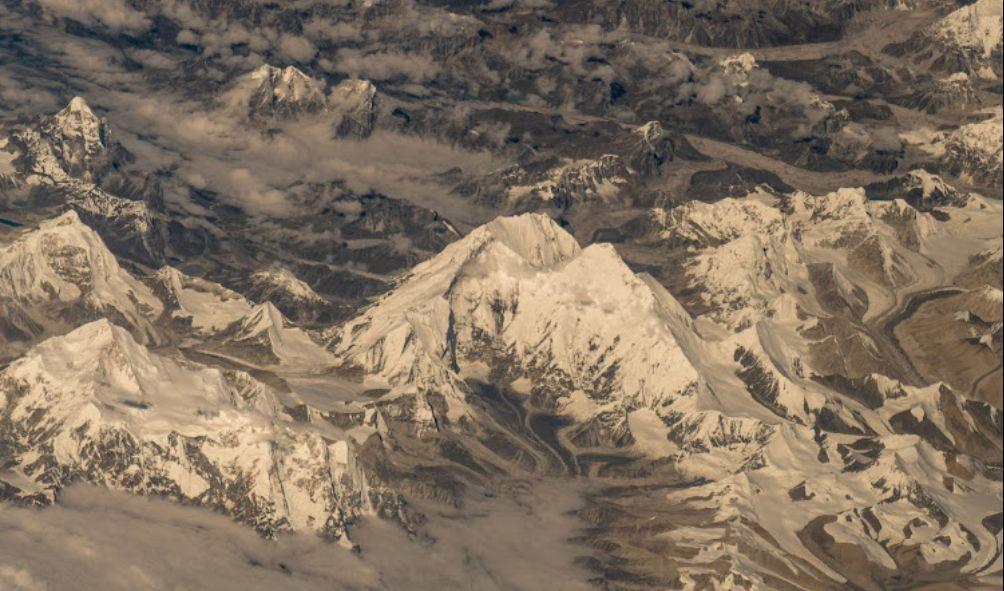
Mount Everest’s infamous “death zone,” situated above 8,000 meters, presents treacherous challenges due to extreme cold, dangerously low oxygen levels, and inhospitable environments, making recovery operations exceedingly difficult and hazardous.
ALSO READ:
- Inside Job Exposed: Kenyan Prison Wardens Convicted for Orchestrating Daring Terrorist Escape
- Welcome to the World of @Kenchitv
- Kenyan Court Freezes Use of Private Lawyers by Government, Sparks Nationwide Legal Storm
- Uganda Pulls the Plug: Nationwide Internet Blackout Ordered Days Before Crucial General Election
- African Elections Under the Spotlight as Zambia Turns to Kenya Ahead of 2026 Vote
The Ultimate Kilimanjaro underscores the logistical challenges and dangers inherent in attempting to recover bodies from Everest’s upper reaches, citing the impracticality of moving frozen corpses weighing over 300 pounds in such harsh conditions.
While helicopters offer a potential solution, their operational limitations at high altitudes severely constrain recovery efforts, with the highest elevation they can reliably reach being Camp 2 at 21,000 feet.
Despite the record-setting helicopter rescue at 25,590 feet in 2013, the formidable challenges of Everest’s environment, coupled with the exorbitant costs of recovery missions, often render body retrieval financially and logistically prohibitive for grieving families.
As a result, the majority of fallen climbers remain on the mountain where they perished, with the northeastern ridge route below Everest’s summit, known as Rainbow Valley, serving as a poignant testament to the lives lost on the world’s tallest peak.
Deciphering Everest’s Silent Sentinels: The Mystery of Abandoned Mountaineers
