
Controller of Budget Flags Ruto’s Govt Over Kenya’s Rising Debt, Exceeding Legal Limit
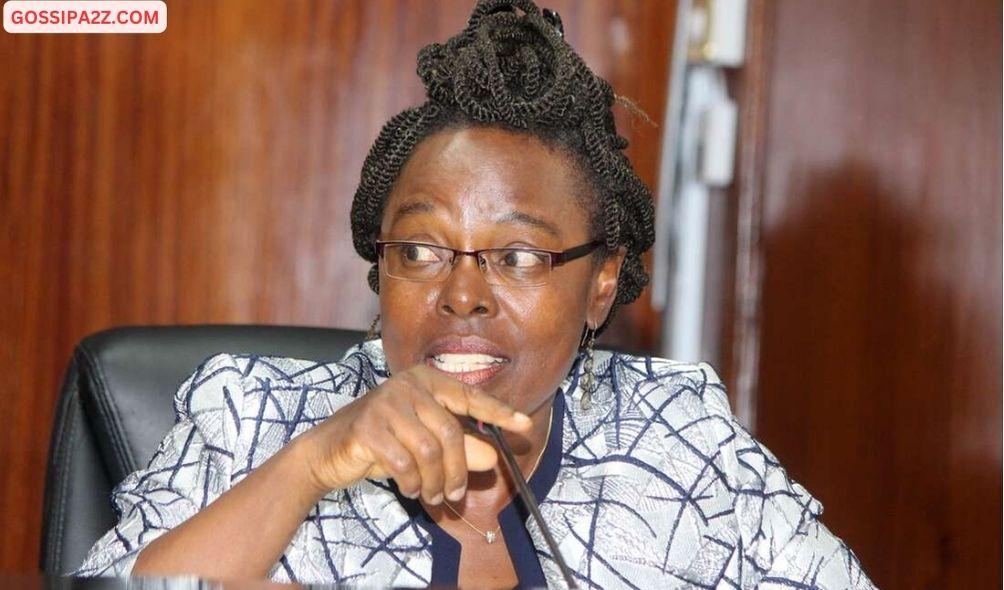
Margaret Nyakang’o, the Controller of the Budget, has expressed concern about the country’s growing debt. In her report on the 2024/2025 budget implementation between July and September, Nyakang’o highlighted that the debt ceiling has exceeded the acceptable limit.
She pointed out that the law stipulates that the country’s debt should not surpass 55 percent of the Gross Domestic Product (GDP). However, by September 30, the debt had risen to 67 percent of the GDP, far exceeding the legal limit.
Nyakang’o explained that this increase in debt is mainly due to higher borrowing both domestically and internationally. As of September 30, 2024, the total public debt stood at Ksh10.79 trillion, which is 67 percent of the GDP.
Of this amount, Ksh5.19 trillion was owed to external lenders, while Ksh5.60 trillion was owed to domestic lenders. The public debt had risen by 2 percent, increasing from Ksh10.58 trillion on June 30, 2024, to Ksh10.79 trillion by the end of September 2024.
ALSO READ:
- Inside Job Exposed: Kenyan Prison Wardens Convicted for Orchestrating Daring Terrorist Escape
- Uganda Pulls the Plug: Nationwide Internet Blackout Ordered Days Before Crucial General Election
- African Elections Under the Spotlight as Zambia Turns to Kenya Ahead of 2026 Vote
- “Two Drug Barons in Cabinet?” Kenya Government Fires Back as Ex-Deputy President Sparks Explosive Drug Claims
- Kenyan Court Freezes Use of Private Lawyers by Government, Sparks Nationwide Legal Storm
The external debt grew by 0.3 percent, while domestic debt saw a larger increase of 4 percent, mainly because of additional borrowing from the domestic market. This growth in the debt stock pushed the total debt beyond the approved limit.
In light of this, Nyakang’o recommended that the government take measures to control the rising debt. Specifically, she suggested reducing the budget deficit and implementing fiscal consolidation to limit further debt increases.
Kenya’s international borrowing includes loans from countries like China, as well as funding from international institutions such as the International Monetary Fund (IMF) and the World Bank. Domestically, the government borrows from local banks and financial institutions.
Controller of Budget Flags Ruto’s Govt Over Kenya’s Rising Debt, Exceeding Legal Limit
