
African Elections Under the Spotlight as Zambia Turns to Kenya Ahead of 2026 Vote
Kenya has once again found itself at the centre of Africa’s electoral reform conversation after hosting a high-level delegation from Zambia’s Electoral Commission on a peer learning and benchmarking mission.
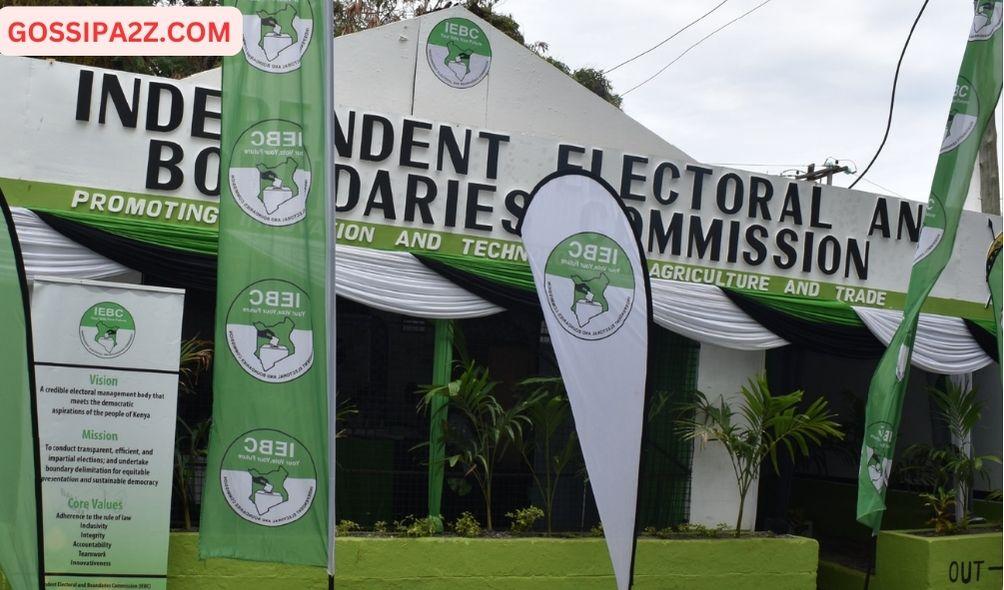
The Independent Electoral and Boundaries Commission (IEBC) welcomed officials from the Electoral Commission of Zambia (ECZ) in Nairobi as the Southern African nation steps up preparations for its general election scheduled for August 2026. The visit underscores a growing trend across Africa, where electoral bodies are increasingly turning to regional cooperation to strengthen democratic systems and public trust in elections.
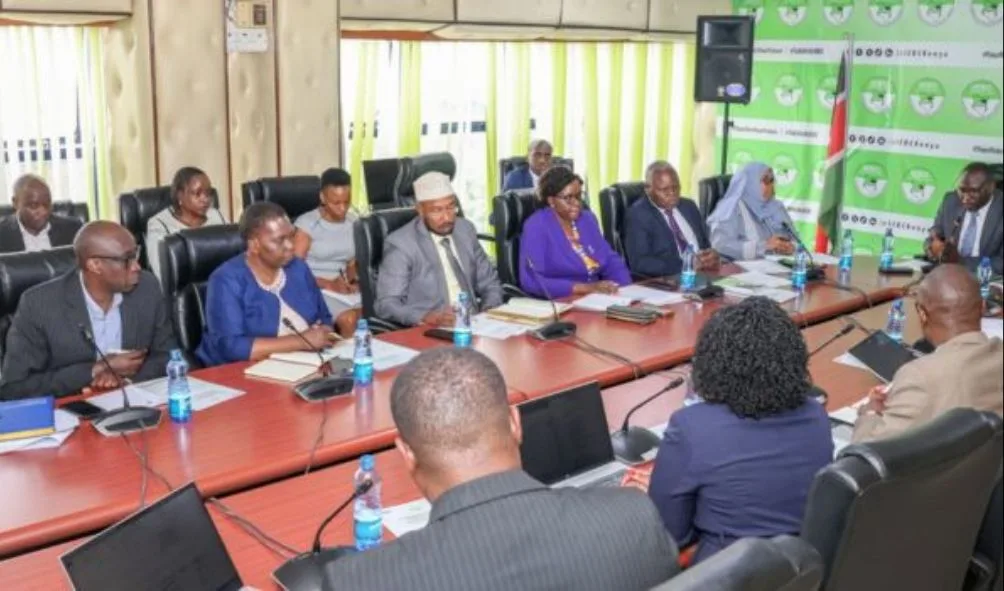
The Zambian delegation, led by ECZ commissioner Ndiyoi Mutiti, held extensive discussions with IEBC officials to study Kenya’s electoral management processes, technology-driven systems, and lessons learned from past elections. The engagement also created space for both commissions to exchange best practices in managing complex elections in diverse and fast-growing democracies.
Zambia’s interest in Kenya’s experience comes at a critical moment. The country recently amended its constitution and adopted a Mixed Member Proportional Representation (MMPR) system. This electoral model blends the First Past the Post (FPTP) system with Proportional Representation (PR) to ensure the inclusion of women, youth, and persons with disabilities in Parliament and local councils. As a result, Zambia is keen to refine its electoral design and operational capacity ahead of the upcoming polls.
ALSO READ:
- Inside Job Exposed: Kenyan Prison Wardens Convicted for Orchestrating Daring Terrorist Escape
- Uganda Pulls the Plug: Nationwide Internet Blackout Ordered Days Before Crucial General Election
- African Elections Under the Spotlight as Zambia Turns to Kenya Ahead of 2026 Vote
- “Two Drug Barons in Cabinet?” Kenya Government Fires Back as Ex-Deputy President Sparks Explosive Drug Claims
- Kenyan Court Freezes Use of Private Lawyers by Government, Sparks Nationwide Legal Storm
A key focus of the benchmarking tour was electoral technology. Kenya’s IEBC operates a more integrated digital election framework, anchored by the Kenya Integrated Election Management System (KIEMS). The system relies on secure biometric verification, using fingerprint scanners and facial recognition to authenticate voters on election day and curb electoral malpractice. Access to the KIEMS kits is tightly controlled through unique passwords held by presiding officers, while encrypted data storage and digital signatures safeguard the integrity of voter information.
In 2025, IEBC further upgraded its systems by introducing advanced biometric technology that aimed to incorporate iris-based voter verification. The kits, supplied by international technology firm Smartmatic, come with backup power solutions and have reportedly achieved a 99 per cent functionality rate during deployments.
By contrast, Zambia currently depends on fingerprint and photographic data for voter registration and verification and does not yet deploy election-day verification kits similar to Kenya’s. While mobile voter registration is ongoing in Zambia, the country is still developing systems to digitally identify deceased voters and track new registrations—areas that formed a central part of the learning exchange.
According to reports, the benchmarking exercise is part of ECZ’s broader strategy to modernise its electoral administration, improve operational efficiency, and adopt proven practices from across the continent. As African nations continue to reform their democratic processes, the Kenya–Zambia engagement highlights the importance of shared experience in shaping credible, inclusive, and transparent elections.
African Elections Under the Spotlight as Zambia Turns to Kenya Ahead of 2026 Vote
