
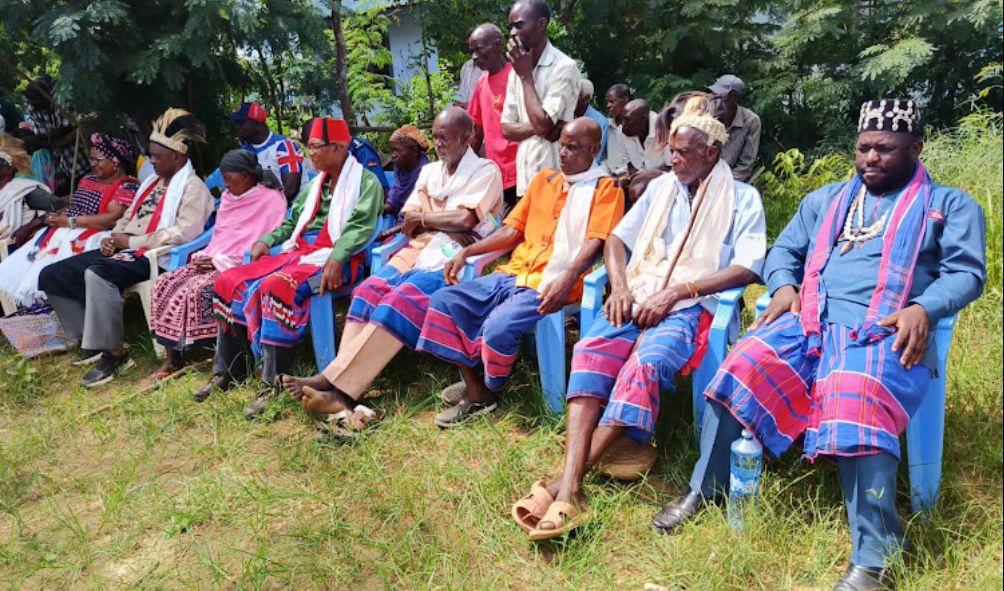
Kenya Mulls Absorbing Village Elders into Civil Service: Proposed Reforms and Implications
The national government is considering incorporating over 45,000 village elders into the civil service through new proposed plans.
Kenyan citizens are encouraged to share their opinions on the comprehensive reforms suggested by the government, aiming to establish a system for acknowledging and supporting village elders.
Last month, the National Assembly unanimously approved a bill presented by Kibwezi West MP Mwengi Mutuse, which advocates for the recognition and compensation of village administrative units and their elders.
This bill, championed by Mr. Mutuse, seeks to amend Section 14 of the National Government Coordination Act to integrate villages into the national government structure and appoint village leaders.
Mr. Mutuse, who serves as the vice-chairman of the National Assembly Justice and Legal Affairs Committee, highlights the voluntary services provided by village elders, contrasting this with Article 41 of the Constitution, which emphasizes fair labor practices.
As proposed by Mr. Mutuse, each village elder would receive a monthly stipend ranging between Sh7,000 and Sh12,445.
According to a notice from Interior Principal Secretary Raymond Omollo, the public has until June 6 to offer feedback and written submissions on the proposed legislation and the National Government Village Administration Policy.
Key issues for consideration include the educational qualifications, recruitment processes, retirement age, as well as the responsibilities and compensation of village elders.
ALSO READ:
- Inside Job Exposed: Kenyan Prison Wardens Convicted for Orchestrating Daring Terrorist Escape
- Welcome to the World of @Kenchitv
- Kenyan Court Freezes Use of Private Lawyers by Government, Sparks Nationwide Legal Storm
- Uganda Pulls the Plug: Nationwide Internet Blackout Ordered Days Before Crucial General Election
- African Elections Under the Spotlight as Zambia Turns to Kenya Ahead of 2026 Vote
Motivated by the hardships faced by village elders in their unpaid roles, Mr. Mutuse stresses their importance in resolving community disputes, fostering peace, addressing security concerns, and implementing government initiatives such as ensuring universal school attendance and promoting mass vaccinations.
In an interview with the Nation, Mr. Mutuse discusses consultations with the Ministry of Interior and the Parliamentary Budget Office, leading to the adoption of a monthly allowance model amounting to Sh7,000.
He emphasizes the necessity of government support for this significant reform proposal due to its substantial budgetary implications and expresses satisfaction with the government’s commitment to advancing this initiative.
Mr. Mutuse references several countries, including Rwanda, Tanzania, Botswana, Ghana, and Indonesia, which have incorporated and compensated village leaders, urging Kenyans to rally behind their village elders for their vital role in preserving the nation’s social and economic integrity.
Based on calculations, if each of the 9,045 sub-locations appoints five village elders, the annual cost to taxpayers would amount to Sh3.9 billion. Alternatively, if elders were paid Sh12,445 per month, equivalent to the average basic salary for general labor, the yearly expenditure would reach approximately Sh7.09 billion, excluding recruitment expenses in the initial year.
Kenya Mulls Absorbing Village Elders into Civil Service: Proposed Reforms and Implications
