
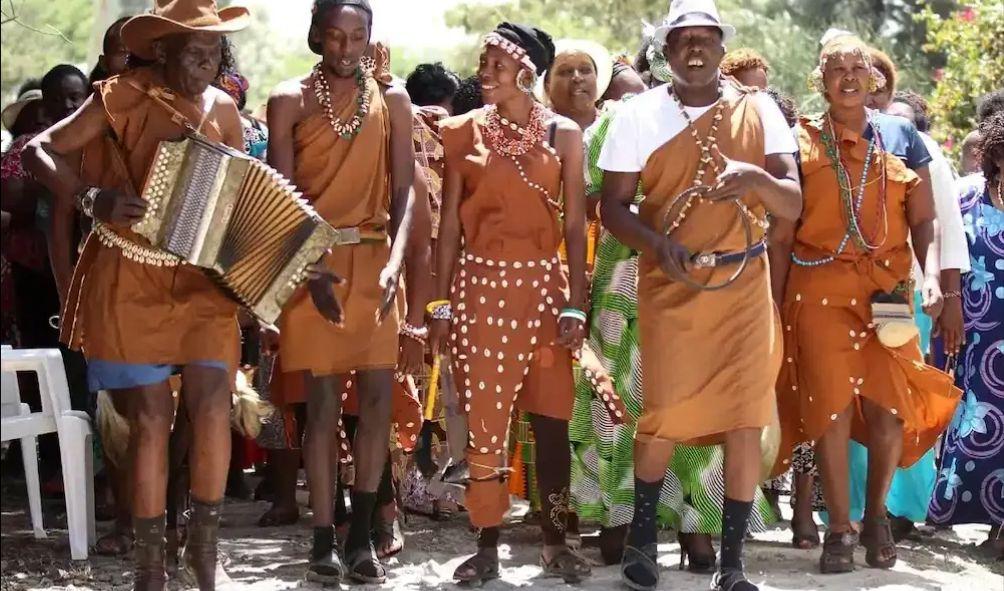
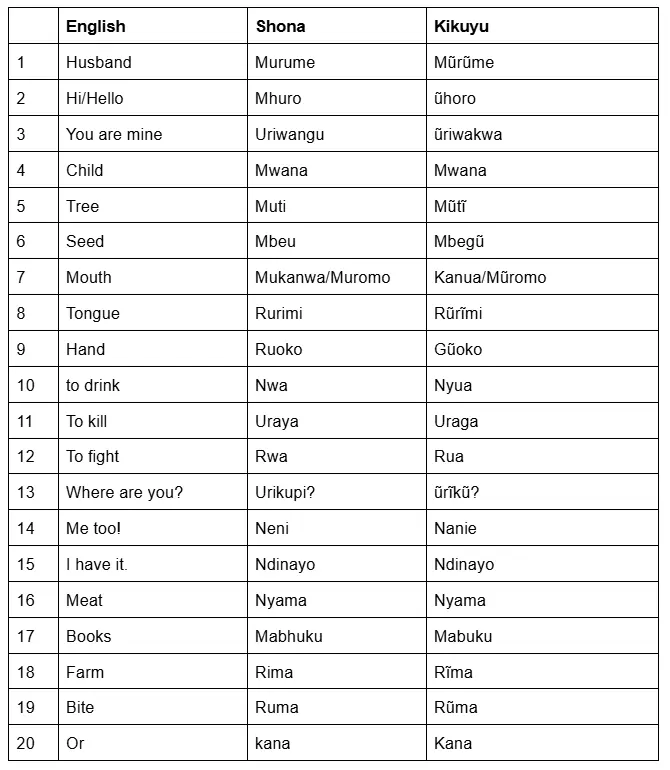
20 Kikuyu Words, Phrases that Mean the Same in Shona, Zimbabwe’s Largest Ethnic Group
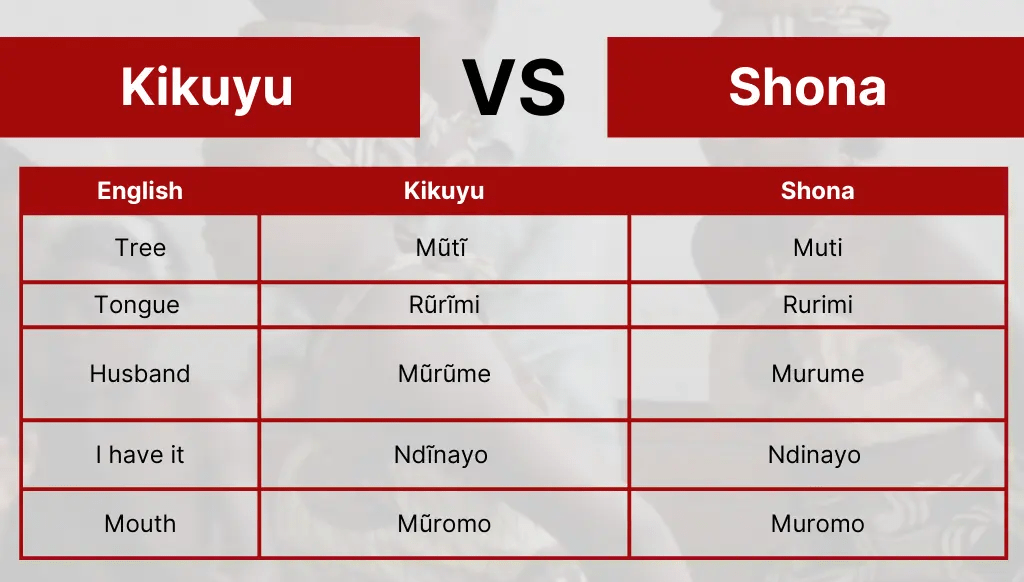
The Kikuyu of Kenya and the Shona of Zimbabwe are two of the most well-known Bantu ethnic groups in Africa. They are also the largest ethnic communities in their respective countries.
Even though they live thousands of kilometers apart, they have many similarities in their origins, language, culture, spiritual beliefs, and history.
1. Common Origins
The Kikuyu and Shona people are part of the Bantu migration, a major movement of people from Central and West Africa that began around 1000 BCE.
As a result of this migration:
- The Shona settled in Southern Africa, mainly in present-day Zimbabwe.
- The Kikuyu moved to East Africa, mainly in Kenya.
Despite living far apart, they kept many Bantu traditions and cultural traits, which can still be seen today.
2. Linguistic Similarities
Both Kikuyu and Shona languages belong to the Bantu language family. This explains why they share many similar words and language structures.
- Some words have the same roots. For example, mwana (child) and murume (husband) exist in both languages.
- Both languages use noun-class systems, with prefixes to show pluralization. In Shona, “mu-” is singular and “va-/ba-” is plural. In Kikuyu, “mũ-” is singular and “a-” is plural.
- The two languages have soft consonant sounds and nasalization, making them sound alike to non-native speakers.
However, there are still differences, especially in pronunciation and accent.
3. Cultural Similarities
The Kikuyu and Shona have strong cultural values based on family, respect, and social order.
- Names in both cultures come from ancestors, nature, or events at birth.
- Both communities pass down wisdom through proverbs, folktales, and storytelling.
- Agriculture is a key part of both cultures. They grow maize, millet, yams, and other crops. Cattle are also important for wealth and status.
- Traditional music includes drums and rhythmic dances, often performed at ceremonies and celebrations.
4. Spiritual & Traditional Beliefs
Before Christianity spread, both groups followed ancestral worship and believed in a Supreme Being.
- The Kikuyu believe in Ngai, who lives on Mount Kenya.
- The Shona believe in Mwari, the creator and supreme god.
- Both groups see ancestors as a link between the living and the spiritual world.
- They have similar rites of passage. Boys go through circumcision, and girls take part in traditional teachings to prepare for adulthood.
5. History of Resistance Against Colonial Rule
The Kikuyu and Shona played major roles in their countries’ fights for independence.
- The Kikuyu led the Mau Mau Uprising (1952-1960) against British rule, helping Kenya gain independence in 1963.
- The Shona were key in Zimbabwe’s fight for freedom, participating in the First (1896-1897) and Second (1966-1979) Chimurenga Wars, leading to Zimbabwe’s independence in 1980.
Conclusion
Despite living in different parts of Africa, the Kikuyu and Shona have much in common. Their Bantu roots have kept their traditions, languages, and cultures connected.
Understanding these similarities helps us appreciate Africa’s shared history and the deep connections between its people.
20 Kikuyu Words, Phrases that Mean the Same in Shona, Zimbabwe’s Largest Ethnic Group
