
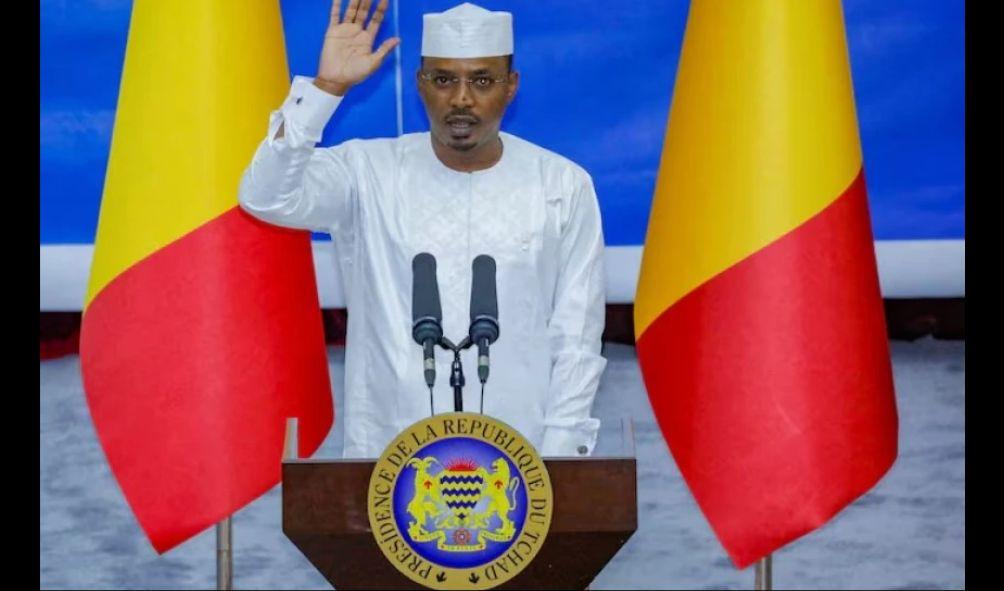
Chad’s Ruling Party Wins Two-Thirds of the Seats Amid Opposition Boycott and Rising Tensions
Chad’s ruling party has secured a significant majority in the legislative election, which took place last month.
According to provisional results released on Sunday, the party won two-thirds of the seats in the National Assembly. This victory further strengthens President Mahamat Idriss Deby’s control over the country. The election was notably boycotted by several opposition groups.
The December 29 election marks an important step toward restoring constitutional governance in Chad. It comes more than three years after President Deby assumed power following the unexpected death of his father, Idriss Deby Itno, who had ruled the country for a long time.
Deby’s party, the Patriotic Salvation Movement, won 124 out of 188 seats in the National Assembly. Official reports indicate that 51.56% of eligible voters participated in the election.
Alongside this, municipal and regional elections were also conducted, making it Chad’s first voting exercise in over ten years.
However, not everyone was satisfied with the process. Opposition groups, including the Transformateurs party led by Succes Masra, refused to participate, claiming that the election was unfair and lacked transparency.
ALSO READ:
- Inside Job Exposed: Kenyan Prison Wardens Convicted for Orchestrating Daring Terrorist Escape
- Welcome to the World of @Kenchitv
- Kenyan Court Freezes Use of Private Lawyers by Government, Sparks Nationwide Legal Storm
- Uganda Pulls the Plug: Nationwide Internet Blackout Ordered Days Before Crucial General Election
- African Elections Under the Spotlight as Zambia Turns to Kenya Ahead of 2026 Vote
The government has dismissed these accusations. Earlier in May, Deby became president in another controversial election, three years after he had declared himself interim leader following his father’s death during a rebel attack.
Since then, Chad, an important ally in the fight against Islamic militants in Africa’s Sahel region, has made notable political moves.
The country ended its defense agreement with France and has also hinted at withdrawing from a regional security force.
These actions align with similar decisions made by other countries in the Sahel region, such as Mali, Niger, and Burkina Faso, which have distanced themselves from France and moved closer to Russia after experiencing coups.
Recently, Chad’s government reported preventing an attack on the presidency, describing it as an attempt to destabilize the nation.
Chad’s Ruling Party Wins Two-Thirds of the Seats Amid Opposition Boycott and Rising Tensions
