

Exposed: How Govt & Importers Made Kenyans Pay High for Fuel Despite Ksh139B Subsidy
An investigation conducted by the Office of the Auditor General has revealed unnecessary mistakes that led to increased fuel costs, despite the government allocating Ksh139 billion in subsidies from June 2021 to June 2023.
According to the report examined by PoliticalPulseChat, the highlighted errors included limitations in Kenya Pipelines Corporation (KPC) receiving facilities, inadequate scheduling of ships, and alterations made by fuel importers to vessel arrival dates.
The report highlights that three significant errors led to demurrage fees, resulting in additional costs for consumers in the end.
The auditor pointed out that certain delays would result in a three-day extension, thereby causing additional demurrage fees.
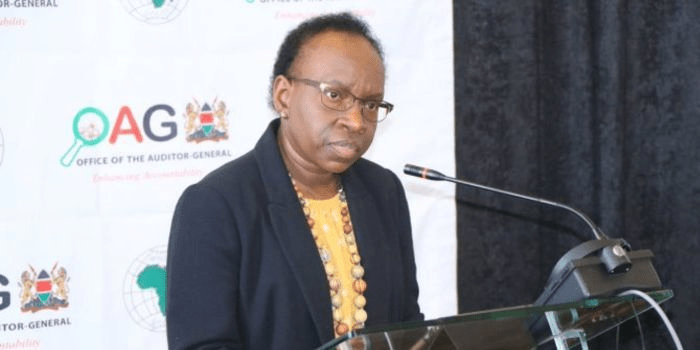
“A review of records confirmed that the vessels that docked at the port attracted demurrage charges amounting to ksh3,182,427,410, which were passed on to the customers through pump prices.
“The stabilization program may have been hampered by avoidable additional costs which were passed on to the consumers and may not have cushioned the citizens from the high pump prices,” read the report in part.
Additionally, the report raised concerns about prepayments totaling Ksh5.3 billion that were made to Oil Marketing Companies (OMCs).
It was observed that the funds were intended to compensate the companies for the increased costs of fuel that occurred in advance.
ALSO READ:
- Inside Job Exposed: Kenyan Prison Wardens Convicted for Orchestrating Daring Terrorist Escape
- Uganda Pulls the Plug: Nationwide Internet Blackout Ordered Days Before Crucial General Election
- African Elections Under the Spotlight as Zambia Turns to Kenya Ahead of 2026 Vote
- “Two Drug Barons in Cabinet?” Kenya Government Fires Back as Ex-Deputy President Sparks Explosive Drug Claims
- Kenyan Court Freezes Use of Private Lawyers by Government, Sparks Nationwide Legal Storm
“There was no legal framework for advance payment and there was no evidence of recovery of this advance amount in subsequent payments to the oil marketing companies.
“Management explained the advance sales were compensated at the price differential between effective pump prices for the period and that of the preceding period for volumes sold between the 10th day of the previous pricing cycle and the 10th day of the next pricing cycle,” the audit report noted in part.
In 2021, ex-President Uhuru Kenyatta implemented the fuel subsidies initiative to protect Kenyans from increased pump prices due to the economic impact of post-pandemic conditions.
Nevertheless, President William Ruto canceled the initiative after assuming office in September 2022, stating that the program only favored the companies without providing broader benefits.
Significantly, major financial entities like the International Monetary Fund (IMF) had urged the government to terminate the program due to its lack of benefits for the Kenyan population.
After the subsidies were withdrawn in September 2022, the price of Super Petrol surged by Ksh20, reaching an all-time high of Ksh179.30 per liter.
Diesel was increased by Ksh25 while Kerosene increased by Ksh20.
Exposed: How Govt & Importers Made Kenyans Pay High for Fuel Despite Ksh139B Subsidy
