
How Ethiopia-Somaliland Red Sea Access Deal Threatens Kenyan Trade Routes
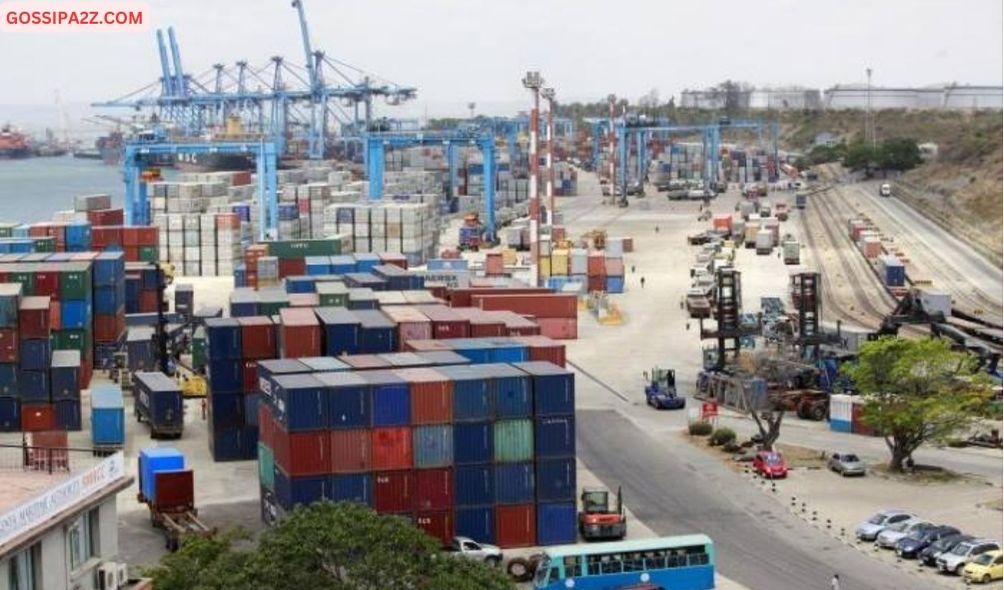
The economic potency of the Mombasa Port and the proposed Lamu Port, South Sudan, Ethiopia Transport Corridor (Lapsset) project may suffer a blow if the newly signed Memorandum of Understanding (MoU) between Somaliland and Ethiopia is implemented.
As reported by regional press, the MoU signed between the 2 countries will allow Ethiopia to access the Red Sea’s port of Barbera, a move that is expected to improve global trade for the country located in the Horn of Africa.
Based on its development blueprint, the LAPPSET project was conceptualized to bolster trade between countries within Eastern Africa. Kenya has already invested more than Ksh 75 Billion in the Lamu Port.
However, the new deal poses a threat to Kenya’s trade prospects. Ethiopia’s ability to access the seaport might culminate in Kenya’s revenues dipping.
Speaking to PoliticalPulseChat, Economist Vincent Kimosop noted that though the Lapsset project may be affected, the effects will not be immediate and the impact may take time to be felt.
Additionally, despite the possible reduction in trade volumes from Ethiopia, the move between Somaliland and Ethiopia may cause a diplomatic row in Eastern Africa as Somaliland is not recognized as an independent country.
In signing the MoU, Ethiopia became the first nation to recognize Somaliland as an independent nation.
ALSO READ:
- Inside Job Exposed: Kenyan Prison Wardens Convicted for Orchestrating Daring Terrorist Escape
- Uganda Pulls the Plug: Nationwide Internet Blackout Ordered Days Before Crucial General Election
- African Elections Under the Spotlight as Zambia Turns to Kenya Ahead of 2026 Vote
- “Two Drug Barons in Cabinet?” Kenya Government Fires Back as Ex-Deputy President Sparks Explosive Drug Claims
- Kenyan Court Freezes Use of Private Lawyers by Government, Sparks Nationwide Legal Storm
Somaliland announced its autonomy and declared its break away from Somalia in 1991, however, the international community has not recognized the country as an independent nation.
While signing the MoU, the Prime Minister of Ethiopia, Abiy Ahmed, and the Somaliland President Muse Bihi Abdi in the Ethiopian capital, Addis Ababa cited that the partnership was multi-sectoral for both sides.
A part of the MoU provided by the Government of Ethiopia read: “The Memorandum of Understanding shall pave the way to realize the aspiration of Ethiopia to secure access to the sea and diversify its access to seaports.
“ It also strengthens their security, economic and political partnership. Furthermore, the Memorandum of Understanding also indicates the pathway to bolster their political and diplomatic relations”.
However, in an emergency cabinet meeting held on Tuesday Somalia declared that the agreement is null and void and that Ethiopia is not allowed to access the Red Sea Port from Somalia.
Somalia has also recalled the Ethiopian ambassador to Mogadishu in a now ensuing diplomatic row, where Somalia has vowed to protect its territorial integrity.
How Ethiopia-Somaliland Red Sea Access Deal Threatens Kenyan Trade Routes
